
Starting from scratch is harder than fixing a post that already has some traction. Older articles often have search history, a little trust, and at least some traffic, which makes them easier to improve than a brand-new page.
Many affiliate marketers miss this simple growth path because they keep chasing new content. If you want extra income without a lot of technical skill, updating what you already have is often the faster move. The goal is simple: choose the right posts, improve the content, update the offer, and make the next step easy to trust.
Key Takeaways
- Old posts with existing traffic often bring the fastest affiliate wins.
- Fix weak content before adding more affiliate links, because trust drives clicks.
- Match the offer, call to action, and link placement to the reader’s intent.
- Track rankings, click-through rate, affiliate clicks, and sales after each update.
Which old posts are worth updating first?
Don’t update random posts. Start with pages that already show signs of life, because small gains there can turn into steady commissions.

Look for posts that already bring in visitors
Check Google Search Console and your analytics first. A post that gets impressions, some clicks, or ranks on page two or three is often a better bet than a post nobody sees.
Simple clues matter too. Comments, social shares, and email questions tell you people care about the topic. Also look for thin content, weak headlines, old screenshots, broken links, and posts with traffic but few affiliate clicks. Those are often your easiest wins.
Prioritize posts tied to products people still buy
Evergreen topics age well. A post about franchise business ideas for seniors, email tools, website hosting, or keyword research may still sell years later if the product remains useful.
On the other hand, if the product is outdated, hard to find, or poorly reviewed, don’t force it. Swap in a better offer, or change the article angle so it solves the reader’s problem with a more relevant recommendation.
What should you fix before adding new affiliate links?
A weak article rarely turns into a strong earner because of extra links. Affiliate sales rise when the post answers the reader’s problem better than competing pages.
Update facts, examples, and screenshots so the post feels current
Old prices, outdated menus, and missing steps make readers nervous. If the tool now costs more, looks different, or works another way, show the new version.
Fresh screenshots help, but only if they support the point. Add one or two clear examples, fix broken instructions, and remove advice that no longer fits. Current content builds trust fast, especially for readers who want clear guidance before they spend money.
Add missing details that help readers make a decision
Many older posts stop too soon. They mention a tool, but they don’t explain who it’s for, what problem it solves, what it does well, or where it falls short.
Add the details a careful buyer wants. A short comparison, simple pros and cons, expected results, and honest limits can lift clicks because the reader feels informed, not pushed.
Improve readability with short sections and simple language
Long blocks of text tire people out. Break the post into short sections, use clear subheads, and trim jargon wherever you can.
This matters even more for seniors and pre-retirees. Friendly, plain English keeps the article easy to follow, and skimmable content helps readers find the part they need without frustration.
How do you make an old post convert better?
Once the post is useful again, then you can improve how it sells. The best changes feel natural and honest.
When the next step is clear, readers click more often and trust you more.
Place affiliate links where readers are ready to act
Add links after you explain a benefit, inside a useful comparison, or near a recommendation that fits the problem. That’s the moment when a reader is most likely to want more detail.
Avoid stuffing links into every paragraph. Too many links look desperate and make the page harder to trust.
Write calls to action that feel helpful, not pushy
Calm language works well. “Check the price,” “See how it works,” or “Read the full review” feels more credible than hype.
A lot of affiliate content hides the real buying decision behind vague buttons and noise. Strong posts do the opposite. They make the next step obvious, explain why the reader might take it, and keep the tone honest.
Match the offer to the reader’s level of experience
A beginner doesn’t need the same tool as an advanced marketer. If your audience is starting late in life or wants a simple side income stream, recommend tools with gentle learning curves and clear support.
Better matching cuts confusion. It also reduces refund risk and helps readers feel that you understand where they are.
How can you use SEO updates to bring in more buyers?
SEO updates help the right people find the post. The aim isn’t keyword stuffing. It’s making the page clearer for searchers and search engines.
Refresh the title and intro to match what searchers want now
Your title should tell readers what problem the post solves. If the old headline is vague, make it more specific and benefit-driven.
The intro matters too. Say early why the update matters, what the product helps with, and who it’s best for.
Use related phrases that reflect real buyer questions
Natural buyer terms often include words like “best,” “review,” “compare,” “worth it,” and “how to use.” You can also add product names and problem-based phrases where they fit.
These terms work because they match how people search when they are close to a decision. Keep them readable, and don’t force them into every paragraph.
Add internal links to support the post and keep readers moving
Link to related beginner guides, tutorials, and product comparisons on your site. Internal links help readers answer the next question without leaving.
They also strengthen your site structure. As a result, search engines get a clearer sense of how your content connects.
What should you track after the update goes live?
Updates don’t all work at the same speed. Some posts improve in a week. Others need more time, or a second round of edits.
Watch for signs that the post is getting more clicks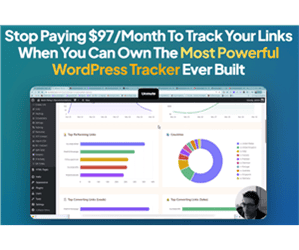
Compare before-and-after data. Look at search impressions, clicks, rankings, time on page, and affiliate link clicks if you track them.
Here’s a useful tool I use for tracking my links. I use it in conjunction with the Pretty Links plugin so that I can track the performance of adverts that send people to my offers.
A small gain in click-through rate can matter a lot if the page already gets traffic. More visitors plus better clicks often lead to more sales.
Use what you learn to guide future updates
Keep a simple record of the post, what you changed, and what happened next. That way, you can spot patterns and repeat what works.
Over time, this turns updating into a system. You stop guessing, and you spend less time on low-value pages.
Conclusion
Old blog posts are often your best hidden asset. They already have a little history, so they can grow faster than a brand-new article when you improve the right things.
Focus on posts with traffic, make the content current, choose a better offer, and track the results. When an older post becomes more useful and easier to trust, it can turn into a dependable source of affiliate income.
FAQ
How often should I update old affiliate blog posts?
Check your best posts every few months. If the product changes often, review them sooner.
Should I replace affiliate offers in old posts?
Yes, if the current offer is weak, outdated, or a poor fit for the reader. Relevance matters more than loyalty to one program.
Can a small blog get more affiliate sales from updates?
Yes. Even modest traffic can convert better when the post is clearer, more current, and better matched to what readers want.
Going the helpful versus pushy route invites readers to act versus manipulating people from fear. Big difference here.
I refresh posts every 6-12 months. Old posts already drive traffic organically. Refreshing each only boosts traffic. Most of my page 1 content comes from updated content. Google loves proven commodities receiving a bit of improvement.
Thanks Ryan, I have been manipulated by fear of missing out in the past, and have learned to spot it now.
I do tend to make decisions quickly, but nowadays FOMO promotions are a big red-flag for me.