Most people don’t think of Pinterest first when they want B2B traffic. They think of Google, LinkedIn, email, or YouTube, and that makes sense.
Still, Pinterest can work in the right situation because people use it to find ideas, save resources, and come back later. The real answer depends on your business, your offer, and whether your content helps people solve a problem before they buy.
Key Takeaways on Pinterest for B2B Traffic
- Pinterest works more like a visual search engine than a fast-moving social feed.
- It fits B2B brands with helpful, evergreen content people want to save.
- The platform is often better for lead generation than instant sales.
- Traffic quality matters more than raw views or impressions.
- A small, focused test is usually smarter than trying to be everywhere at once.
What Pinterest traffic really looks like for B2B
Pinterest sits somewhere between search and social. People don’t visit to chat with brands. They visit to discover ideas, plan projects, and collect useful resources. That matters because many B2B buyers start with a problem long before they talk to sales.
According to Pinterest Business, the platform is built around discovery and planning. For B2B brands, consultants, educators, and digital product sellers, this creates an opening. If your content helps someone move from confusion to clarity, Pinterest can send steady traffic over time.

Why Pinterest is more of a discovery engine than a social feed
A LinkedIn or Facebook post can fade in a day. A pin can keep getting clicks months later. That’s one of Pinterest’s biggest strengths.
Because pins can rank in search and appear in related results, older content still has a chance to bring visitors. For a small B2B business, that longer shelf life is useful. You don’t need a huge audience to get traction if your topic stays relevant.
Which kinds of B2B topics tend to do best
Pinterest usually rewards content with clear use. How-to guides, templates, checklists, planners, lead magnets, resource lists, and step-by-step blog posts often perform better than direct sales messages.
Topics tied to active problems also do well. A post about “how to build a client onboarding checklist” has a better chance than a pin that only says “hire me.” That’s a lesson many new affiliate marketers learn late. After years of chasing traffic, many find out that clicks alone don’t matter. The traffic has to match a real problem and a clear next step.
When Pinterest can work well for a B2B business
Pinterest makes sense when your customer journey starts with education. If buyers need to research, compare, organize ideas, or learn a process, the platform can help at that early stage.
It also works best when your business has a narrow niche and content people want to save. That’s why Pinterest often supports a larger marketing plan instead of replacing search, email, or referrals.
B2B offers that fit Pinterest naturally
Coaching, consulting, software education, webinars, free guides, downloadable resources, and blog-based affiliate content can fit well on Pinterest. So can service businesses that teach before they sell.
Most of the time, Pinterest helps you get attention before the sale. It can drive someone to a blog post, an email opt-in, a checklist, or a workshop page. Then your email sequence, your article, or your sales call does the heavier lifting.
Signs your audience may already be on Pinterest
Your audience may be a good fit if they search for tools, systems, templates, planning help, or visual examples. That includes many people in marketing, design, productivity, training, small-business support, and online education.
Some service-based businesses also see results there. You can see examples in this business-owner discussion about Pinterest traffic, where people talk about using Pinterest beyond ecommerce. That doesn’t make Pinterest right for every B2B brand, but it does show the platform isn’t only for recipes and home decor.
Where Pinterest is a weak fit for B2B traffic
Pinterest has real limits, and it’s better to see them early. If your business depends on urgent buying decisions, technical enterprise sales, or complex products that need demos and long sales calls, Pinterest is often a weak fit.
It can also struggle when the content is too narrow or too dry to present visually. Some B2B brands publish valuable material, but the topics don’t translate well into save-worthy pins.
Cases where another channel may be stronger
LinkedIn is often stronger when trust comes from expertise, conversation, and direct networking. Google search is usually better when buyers know what they want and type it in. YouTube works well when people need a deeper explanation before they act.
Email and industry communities can also outperform Pinterest when the audience already knows you. In those cases, the buyer needs more depth and more trust before clicking away to a landing page.
Common reasons Pinterest fails for B2B
Many B2B attempts fail for simple reasons. The keywords don’t match how people search. The visuals are weak. The content is too promotional. The posting is inconsistent. The landing page doesn’t follow through on the promise.
A deeper issue causes even more problems. Many marketers talk as if traffic is the whole prize, but that isn’t true. The hard part is getting the right people to the right page with the right offer. If those pieces don’t line up, Pinterest stats won’t help much.
Traffic without fit rarely turns into leads.
How to use Pinterest for B2B traffic the smart way
The smartest approach is simple. Create pins that lead to useful blog posts, lead magnets, case studies, and resource pages. Then let those pages build trust and move readers to the next step.
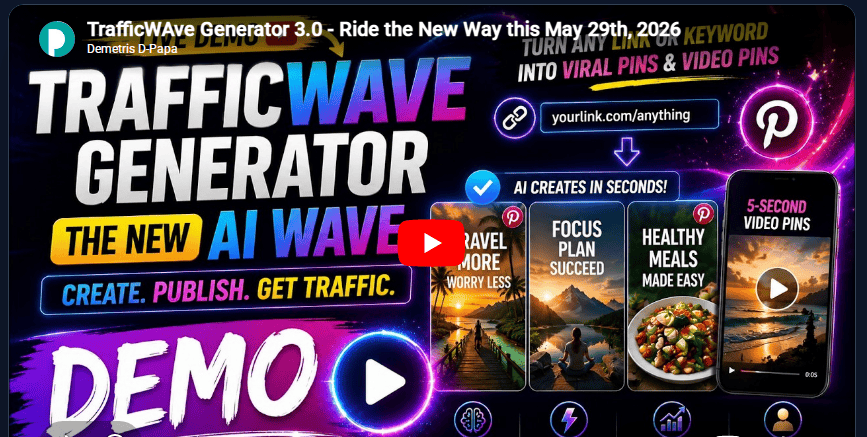
A solid Pinterest marketing training like TrafficWave (affiliate link) also points to the long-tail nature of Pinterest traffic. That slow build is why patience matters more here than quick hacks.
Build content around real search phrases and buyer questions
Start with phrases a buyer would type, not clever slogans. “Email welcome sequence template,” “client onboarding process,” or “best CRM for a small team” are much stronger than vague branding copy.
Evergreen topics matter most because they keep working over time. That’s especially helpful if you’re building a side hustle and can’t publish every day. One good article can support several pins for months.
Design pins and pages that earn clicks and trust
Clear design wins on Pinterest. Use a clean image, a readable headline, and a promise that matches the page. When the pin says “checklist,” the page should show that checklist fast.
Keep the message connected across the whole path. The pin, article, and offer should feel like parts of the same conversation. When they don’t match, people leave fast.
Track the traffic that matters, not just impressions
High pin views can look exciting, but views don’t pay the bills. Watch outbound clicks, time on page, email signups, booked calls, and sales.
Also give Pinterest time to work. Results often start slow, then improve as more pins age and rank. Test several headlines, images, and page topics before you decide the channel failed.
What a realistic Pinterest strategy looks like for B2B
Pinterest works best as one part of a wider plan. It can support blogging, email growth, affiliate marketing, and lead generation, but it usually shouldn’t carry the whole business.
That makes it appealing for part-time business builders, including older beginners who don’t want to live on social media. The platform can keep sending traffic while you focus on writing, email, or client work.
A simple starter plan for small B2B brands
Start with one offer and one content theme. Then create three to five strong evergreen pieces around that theme, such as blog posts, checklists, or short resource pages.
After that, make several pin designs for each page and publish them steadily. This keeps the workload manageable and gives you enough data to judge results without spreading yourself too thin.
How to decide if Pinterest is worth your time
Pinterest is worth testing if your audience plans ahead, your topic solves a clear problem, and your content can be shown in a visual way. It also helps if you’re willing to wait for traffic to build.
If your niche is highly technical, your sales cycle is short and urgent, or your content is mostly direct promotion, focus elsewhere first. In that case, Google, LinkedIn, email, or YouTube may give you a better return.
Frequently asked questions about Pinterest for B2B
Can Pinterest drive leads for service-based businesses?
Yes, it can. Service businesses often get leads when their pins point to blog posts, free guides, checklists, or workshops that build trust before a call. Pinterest usually helps earlier in the funnel, not at the final close.
How long does it take to get traffic from Pinterest?
Most accounts don’t see strong results right away. A few months is more common, especially if you’re publishing steady evergreen content and using clear keywords. The platform often rewards consistency over speed.
Do B2B companies need a lot of content to succeed on Pinterest?
No. You don’t need a huge library to start. A handful of strong evergreen pages can be enough to test whether Pinterest fits your niche. At the beginning, consistency and topic fit matter more than volume.
Conclusion
Pinterest can be a good source of B2B traffic when the niche fits the platform and the content helps people plan, learn, or solve a problem. It works best for businesses that teach before they sell.
If your offer is clear and your content stays useful over time, Pinterest can bring steady visitors and leads. If your business depends on fast decisions or high-touch enterprise sales, another channel will likely do better.
The smart move is to test Pinterest as one traffic source in a wider plan, then keep the channels that bring the right people, not only the biggest numbers.
Have a look at this Pinterest Training program and see if you think it can help.